Decadent Vanilla Layer Cake
Highlighted under: Cozy Desserts
As an avid baker, I just adore the process of creating a classic vanilla layer cake that brings joy to every occasion. There’s something incredibly satisfying about whipping up a light, fluffy batter and watching it rise to perfection in the oven. Each moist slice, layered with creamy frosting, offers a delightful sweetness that never fails to impress. The versatility of this cake means it can be dressed up for celebrations or enjoyed simply at home. Join me on this baking adventure for a delicious creation that will warm your heart.
When I first tried making a vanilla layer cake, I wanted to create something that felt both classic and modern. I experimented with different ratios of butter and sugar, and I found that adding a bit of sour cream makes the cake incredibly moist and rich.
During testing, I discovered that allowing the cakes to cool completely before frosting them really helps the icing to set perfectly, preventing it from sliding off. The refreshingly sweet vanilla flavor combined with a buttery frosting is simply divine, and I can't wait for you to try this recipe!
Why You'll Love This Recipe
- Lush vanilla flavor that dances on your taste buds
- Perfectly moist layers that are a treat in every bite
- Ideal for birthdays, anniversaries, or any sweet celebration
Understanding Cake Layers
When baking this decadent vanilla layer cake, the choice of layers is paramount. I recommend using three 8-inch round cake pans to achieve an even baking surface, ensuring consistent cook times across all layers. If you prefer a taller cake, you could use two 9-inch pans instead; just be sure to extend the baking time slightly, checking for doneness. Pay attention to how the surface looks—it should be golden around the edges and slightly springy to the touch when done.
The layering technique you employ can significantly affect the cake's overall structure. For best results, allow each layer to cool completely before assembling them. This helps prevent the frosting from melting and ensures the layers stay nice and firm. If the cakes have domed tops, don’t hesitate to use a serrated knife to level them off for that professional touch and to provide a stable stack.
Frosting Insights
The frosting can make or break your cake, and with this recipe, achieving that perfect, creamy consistency is essential. Start by ensuring your butter is softened correctly; it should be at room temperature to blend beautifully with the powdered sugar without clumping. If it's too cold, your frosting will turn out lumpy, and if it's too warm, it will be too runny. I usually recommend beating the butter until it's pale and fluffy before adding sugar for the best results.
One tip I've found useful is to sift the powdered sugar before mixing it in. This prevents any potential lumps in the frosting, resulting in a smoother finish. If your frosting is too thick after adding the sugar, use milk sparingly—add just a teaspoon at a time until you reach your desired spreadability. For a fun twist, try incorporating extracts like almond or lemon for a different flavor profile that complements the vanilla nicely.
Storage and Variations
If you're looking to enjoy your vanilla layer cake over a couple of days, proper storage is key. I suggest keeping it in an airtight container at room temperature for up to 3 days. If you need to keep it longer, refrigerating it can extend its freshness, but be sure to let it come back to room temperature before serving to enhance the flavors and texture once again. This cake also freezes beautifully—just slice it first and wrap each piece tightly in plastic wrap before placing it in a freezer-safe bag.
This classic cake isn't just confined to its vanilla roots. Feel free to explore variations by adding citrus zest to the batter or incorporating different flavorings in your frosting. You can even layer in some fresh fruit or chocolate chips into the cake for added texture. If you're aiming for a lighter version, consider substituting half of the butter with applesauce, which keeps it moist while reducing the fat content significantly.
Ingredients
Gather these ingredients to create this delicious cake:
For the Cake:
- 2 ¾ cups all-purpose flour
- 2 ½ tsp baking powder
- ½ tsp salt
- 1 cup unsalted butter, softened
- 2 cups sugar
- 4 large eggs
- 1 tbsp vanilla extract
- 1 cup sour cream
- 1 cup whole milk
For the Frosting:
- 1 cup unsalted butter, softened
- 4 cups powdered sugar
- 1 tbsp vanilla extract
- 2-3 tbsp milk
Instructions
Follow these steps to achieve the perfect vanilla layer cake:
Preheat the Oven
Preheat your oven to 350°F (175°C) and grease three 8-inch round cake pans. Line the bottoms with parchment paper for easy removal.
Prepare the Batter
In a large bowl, whisk together the flour, baking powder, and salt. In another bowl, cream the softened butter and sugar until light and fluffy, then add the eggs one at a time, mixing well after each addition. Stir in the vanilla extract and sour cream. Alternate adding the flour mixture and milk until just combined.
Bake the Cakes
Divide the batter evenly among the prepared cake pans and smooth the tops. Bake for 25 minutes, or until a toothpick inserted in the center comes out clean. Let the cakes cool in the pans for 10 minutes before transferring them to a wire rack to cool completely.
Make the Frosting
In a large bowl, beat the softened butter until creamy, then gradually add the powdered sugar, mixing until fluffy. Add vanilla extract and enough milk to achieve your desired consistency.
Assemble the Cake
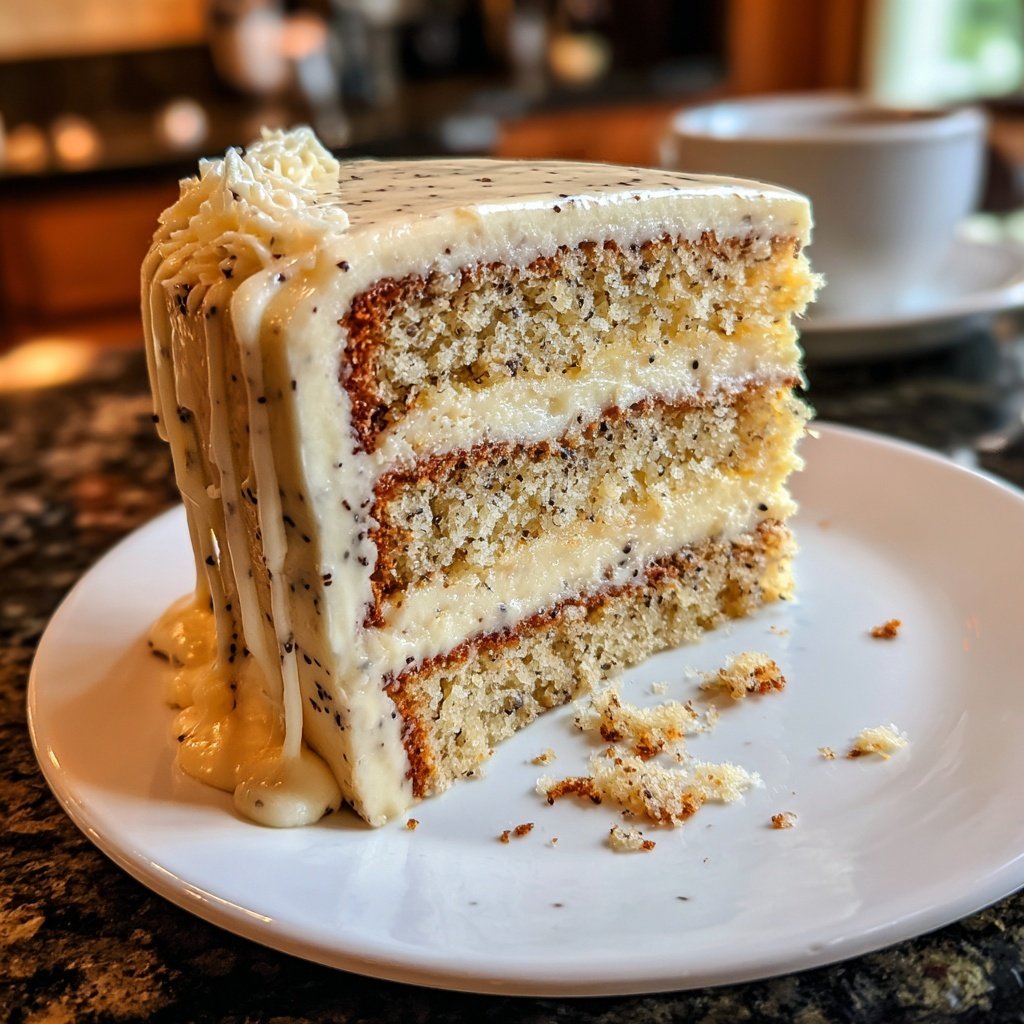
Once the cakes are completely cool, place one layer on a serving plate. Spread a layer of frosting on top, then add the second layer. Repeat for the third layer and frost the top and sides of the cake.
Pro Tips
- For a flavor twist, consider adding lemon zest to the batter or experimenting with different flavored extracts in the frosting.
Tips for a Fluffy Texture
To achieve that light and fluffy texture in your cake, don’t rush the creaming process. Cream the butter and sugar together until the mixture is pale and fluffy; this can take around 3-5 minutes. The goal is to incorporate as much air as possible during this step. Properly creamed butter creates a delightful rise during baking, contributing to the cake's height and airy structure.
Another trick to ensure fluffiness is to alternate between adding wet and dry ingredients in the batter. This helps maintain the emulsification and prevents the gluten from developing too much, resulting in a cake that melts in your mouth rather than one that’s dense.
Common Troubleshooting
Baking can sometimes present challenges, and this recipe is no exception. If you find your cakes sinking in the middle, it may be due to underbaking or an incorrect oven temperature. Always use an oven thermometer to ensure your oven is accurately reaching the desired 350°F. Additionally, avoid opening the oven door too frequently while baking, as this can disrupt the temperature balance and lead to collapse.
If your layers end up too dry, next time try reducing the baking time slightly and check for doneness a few minutes earlier than stated. Remember, every oven is different, so keeping an eye on them during the last few minutes is a good strategy. In case of any unexpected dryness, a light soak with a simple syrup can help bring back moisture before frosting.
Questions About Recipes
→ Can I make this cake ahead of time?
Yes, you can bake the cakes a day in advance. Wrap them tightly and store them at room temperature until you are ready to frost and serve.
→ What can I do if the cake layers are domed?
You can level the tops of the cakes with a serrated knife before frosting them for a more polished look.
→ Can I freeze the cake?
Absolutely! The layers can be frozen individually. Wrap them well in plastic wrap and aluminum foil for up to three months.
→ How can I adjust the sweetness of the frosting?
You can reduce the amount of powdered sugar if you prefer a less sweet frosting. Just be careful not to make it too runny.
Decadent Vanilla Layer Cake
Created by: The Treatfulkitchen Team
Recipe Type: Cozy Desserts
Skill Level: Intermediate
Final Quantity: 12 servings
What You'll Need
For the Cake:
- 2 ¾ cups all-purpose flour
- 2 ½ tsp baking powder
- ½ tsp salt
- 1 cup unsalted butter, softened
- 2 cups sugar
- 4 large eggs
- 1 tbsp vanilla extract
- 1 cup sour cream
- 1 cup whole milk
For the Frosting:
- 1 cup unsalted butter, softened
- 4 cups powdered sugar
- 1 tbsp vanilla extract
- 2-3 tbsp milk
How-To Steps
Preheat your oven to 350°F (175°C) and grease three 8-inch round cake pans. Line the bottoms with parchment paper for easy removal.
In a large bowl, whisk together the flour, baking powder, and salt. In another bowl, cream the softened butter and sugar until light and fluffy, then add the eggs one at a time, mixing well after each addition. Stir in the vanilla extract and sour cream. Alternate adding the flour mixture and milk until just combined.
Divide the batter evenly among the prepared cake pans and smooth the tops. Bake for 25 minutes, or until a toothpick inserted in the center comes out clean. Let the cakes cool in the pans for 10 minutes before transferring them to a wire rack to cool completely.
In a large bowl, beat the softened butter until creamy, then gradually add the powdered sugar, mixing until fluffy. Add vanilla extract and enough milk to achieve your desired consistency.
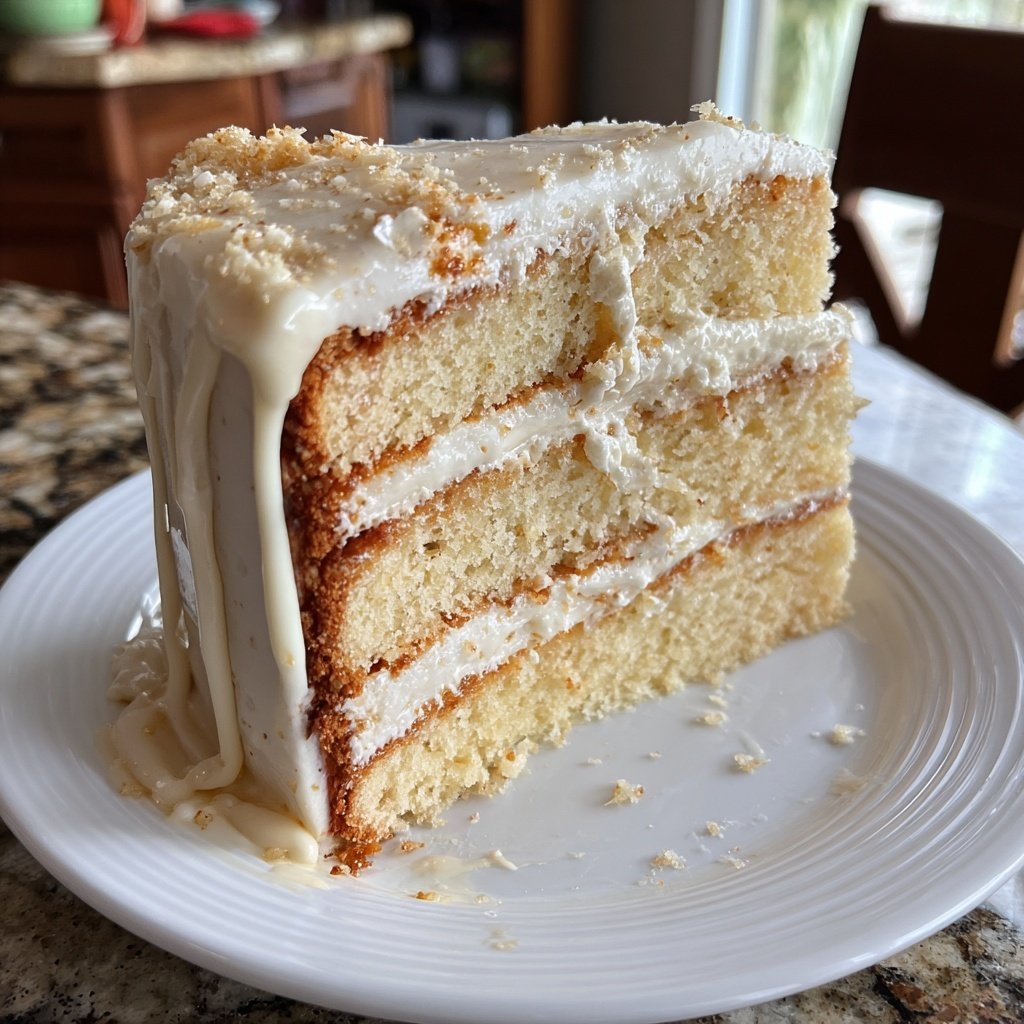
Once the cakes are completely cool, place one layer on a serving plate. Spread a layer of frosting on top, then add the second layer. Repeat for the third layer and frost the top and sides of the cake.
Extra Tips
- For a flavor twist, consider adding lemon zest to the batter or experimenting with different flavored extracts in the frosting.
Nutritional Breakdown (Per Serving)
- Calories: 350 kcal
- Total Fat: 20g
- Saturated Fat: 12g
- Cholesterol: 100mg
- Sodium: 200mg
- Total Carbohydrates: 42g
- Dietary Fiber: 1g
- Sugars: 30g
- Protein: 4g